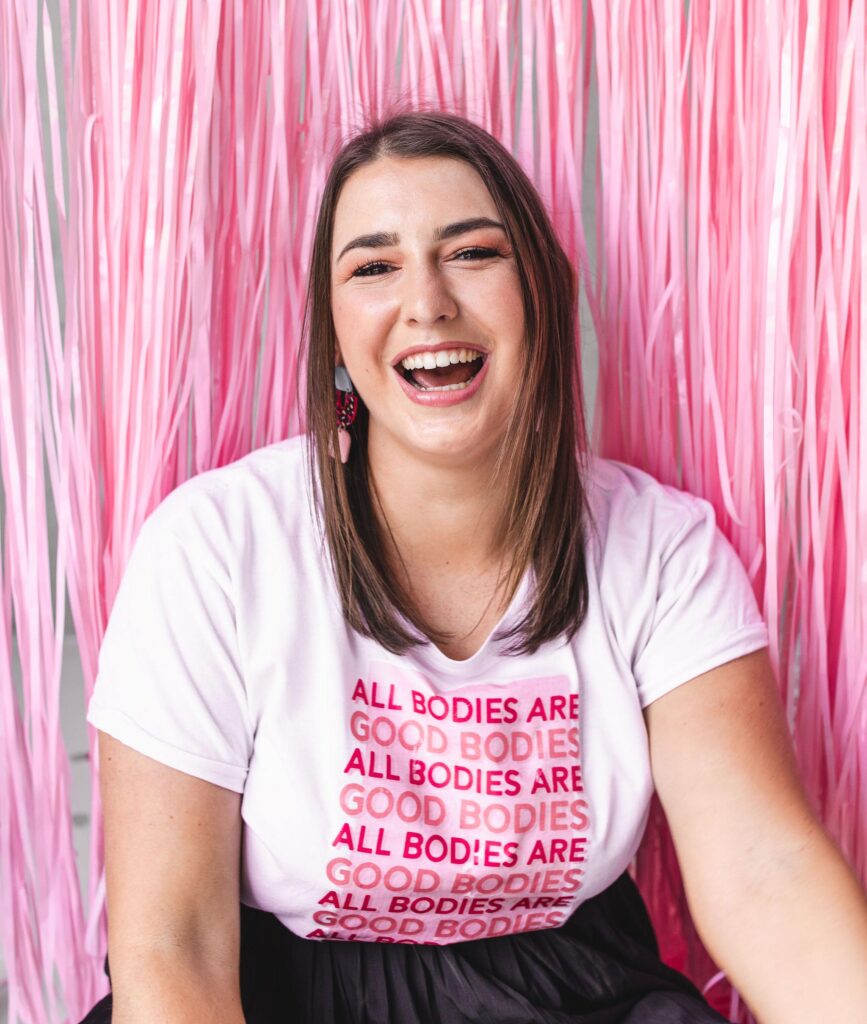
Strength Training for Women: Why Strong Beats Smaller
If you grew up learning that looking after your body means making it smaller, strength training for women can sound like just another route to the same place. It doesn’t have to be. Personal trainer Chanteik Nelson, founder of the Strong Her Club, has spent 15 years in the fitness industry, and what she coaches now is the opposite of shrinking: a strong, capable body that carries you through your 40s, 50s, 60s and beyond.
She joined me on the Finding Freedom podcast to talk about how she got there, what the wellness industry still gets wrong, and how to look after yourself when your plate is already full. This is what stood out.
Why 'Strong, not smaller' is a better goal
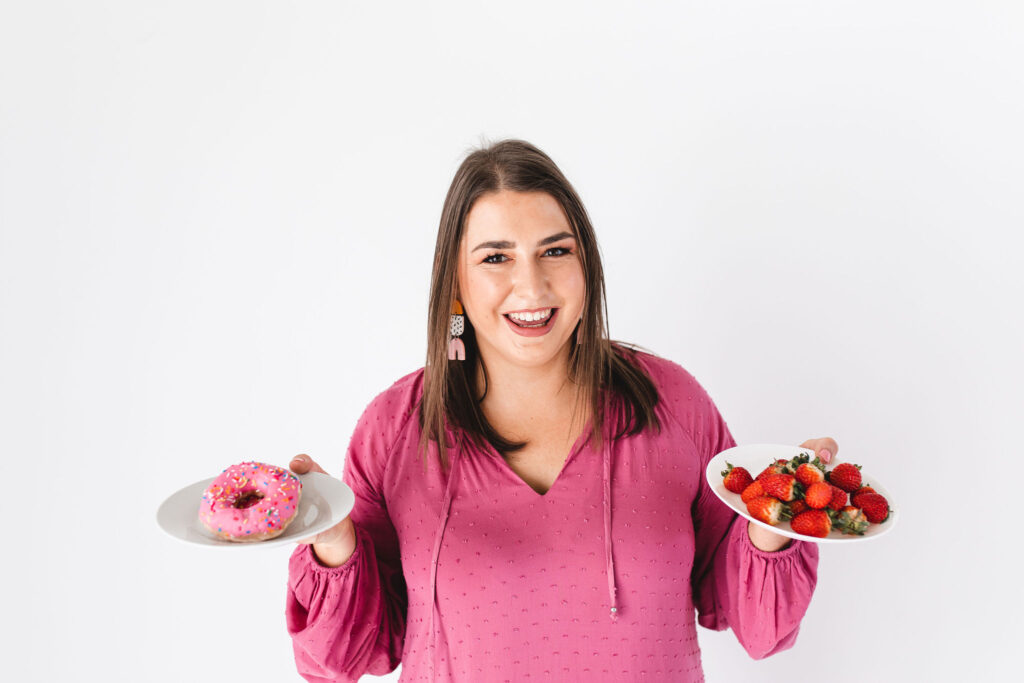
Training for strength builds a body that keeps you independent and capable as you age, and that’s what Chanteik coaches her clients towards instead of a smaller size. Most of the women she works with are in their 30s to 60s, and they grew up on the same messages she did: skinny, low-fat, no-carb, tiny-calorie diets.
Chanteik believed them too. She started out chasing aesthetics, and when she opened her bootcamp in 2011, ‘clean eating’ was everywhere, so that’s what she taught. She cringes at it now. After a stretch of chasing being lean, she got sick and realised it wasn’t worth what it was costing her. She threw out the scales, didn’t weigh herself for about two years, and ate food she enjoyed without a target attached to it. She ended up more confident in her body than she’d ever been while following the rules.
Where the wellness industry is getting it wrong
Quick fixes are being handed out before anyone checks the foundations. Chanteik’s view is that weight loss drugs can help the right person under a doctor’s care, but they’re being offered to people without anyone asking about their nutrition, how they move or how they eat through the day. She worries about people under-eating and losing muscle, and what that means for their health later.
I’d add that too few people are being screened for disordered eating or body image struggles before any of this starts. If you’re weighing up any medication, that’s a conversation for your doctor.
Listening to your body isn't the same as doing what's easiest
Listening to your body means asking what it actually needs, not what you feel like doing. If you’ve sat at a desk all day, you’ll probably feel tired, but what your body usually needs is movement, because that energy has been stagnant all day. Rest is sometimes the right answer too. I skipped my gym class one morning because I was run down, and the next morning I knew that moving was what I needed.
Telling the two apart takes practice, and it gets easier the more you do it.
What to do when you don't feel like training
Make the first step smaller than you think it needs to be. Chanteik trains three to four days a week and says there’s maybe one morning a month she wakes up excited to go. The rest of the time she’s standing in her kitchen making a coffee and talking herself into it, and she’ll even post about it on Instagram on the way to the gym. What gets her there is knowing she never regrets going and always regrets staying home.
A few things that help:
Warm up at home for 10 to 15 minutes first. It gets some energy moving, so the session is easier to start.
Get in the car and drive to the gym. If your body is still saying no when you arrive, you’re allowed to go home.
Choose the short version, like an easier walk, and see how you feel at the top of the first hill. Most of the time you’ll keep going, and it won’t be as hard as your brain made it out to be.
Why 'balance' is a myth
Something always has to give so the rest can work, and that’s normal. Chanteik is in the middle of a launch right now. Last week her sleep took the hit, and this week it’s the housework. She’s running two businesses and raising her son, and she’s upfront that she isn’t doing all of it at once.
She also doesn’t treat looking after herself as another thing on the to-do list, because it’s what makes the rest of the list possible. When she eats well, trains and sleeps, she handles stress better and shows up better as a mum, a business owner, a wife and a friend. That isn’t selfish, and sometimes giving yourself permission means leaving the washing and going anyway.
It helps to set a bare minimum instead of a perfect week. Two sessions in a week counts as a win. Hitting 7,000 steps when your target is 10,000 is close enough. As the saying goes, women can do it all, just not all at once.
The one small shift to try when you're running on empty
Pick one thing that will make you feel 10 per cent better this week, and leave the rest. For many of the busy mums Chanteik works with, that’s breakfast, because they’re living off coffee until lunchtime. If your nutrition is already solid and you can’t find time to move, start with a 10-minute walk. If five gym sessions a week isn’t doable, two or three is. Most of her clients follow a three-day full-body program for exactly this reason, and when they can’t fit all three in, they do two.
The point is to build from something small, not overhaul your whole life in a week. I told myself I didn’t have time for a walk the day we recorded, then realised I could fit in 10 minutes, and that was all it took to get started.
You can hear the full conversation on the Finding Freedom podcast, and follow Chanteik’s work on the Strong Her Club Instagram.
Jemma Rose is a Body Image and Confidence Speaker, Educator based in Hobart, Tasmania. After 16 years stuck in the diet cycle, she now helps women build confidence and self-worth that has nothing to do with the size of their body.
WORK WITH JEMMA
Speaking & Training · Media